

Safari in the Masai Mara | Everything you need to know
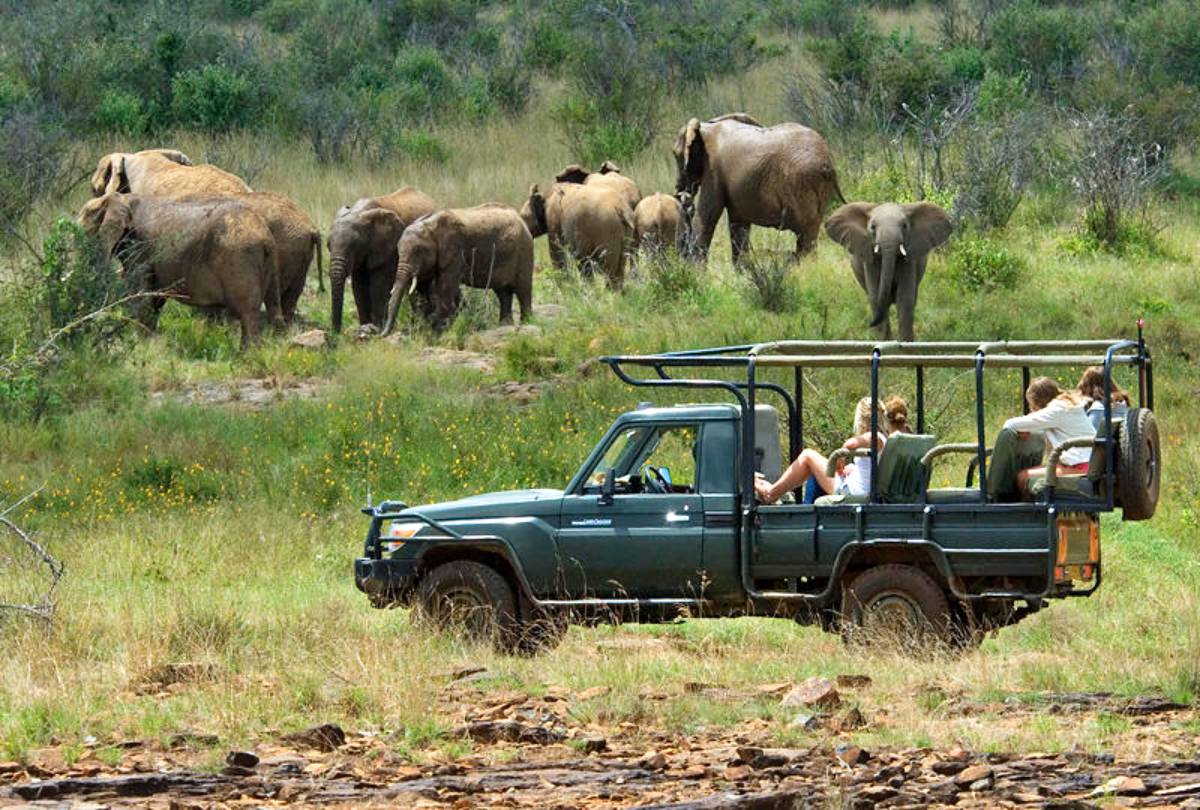
The Masai Mara — or simply the Mara, as locals call it — is one of Kenya’s most beautiful and world-famous safari destinations. Bordering Tanzania’s Serengeti, it offers endless savannahs, spectacular game viewing and a real sense of wilderness.
For first-time visitors, it can be tricky to figure out how the Mara “works”: which gates to use, what fees apply and where to stay. But don’t worry; this guide helps you make sense of it all, so you can explore the Mara with confidence.
Understanding the greater Masai Mara ecosystem
The greater Masai Mara consists of several main areas and private conservancies:
1. Masai Mara National Reserve
- Most visitors enter through the Sekenani Gate, coming from Narok town.
- Other gates include Oloolaimutia and Talek Gates (east), Musiara Gate (north), and Purungat Mara River Gate (south).
- You can buy your permit at any gate, paying by credit card or M-Pesa.
2. Mara Triangle
- The main entry is via Oloololo Gate, where you pay your entry fee.
- A transit permit is required at Sekenani Gate before entering.
3. Mara North Conservancy
- Located north of the Mara Reserve.
- Home to many upscale camps that include guided game drives.
4. Private Conservancies
- Surround the main sections, with Naboisho being the largest.
- If you stay in a conservancy lodge, your conservation fees are usually included in your stay.
- Planning to visit the Mara Reserve or Triangle from your conservancy? You’ll still need to pay the separate entrance fee.
Tip: For the best wildlife viewing, focus on the Mara Reserve and Mara Triangle — these areas are filled with animals year-round.
Masai Mara fees & permits
You can buy your park permits directly at the gate, using Visa, Mastercard or M-Pesa. If you’re staying outside the Reserve, your day permit is valid from 6 a.m. to 6 p.m. (single entry). Overnight guests inside the Reserve must leave by 10 a.m. the next day to avoid extra charges.
It’s good to know that the Masai Mara adopts a low-season rate from January to June and a high-season rate from July to December.
Can I explore the Masai Mara on a self-drive trip?
Unsupervised self-driving in the Masai Mara is no longer allowed by the park authorities. All self-driving visitors must be accompanied by a park ranger while inside the Masai Mara. This can be arranged upon arrival at the gate. This costs USD 40 per day. We can also connect you in advance with a ranger. Just let us know, and we’ll be happy to help. A ranger is not required if you have hired our car with a driver-guide through Roadtrip Africa.
Prefer a fully arranged safari? With our self-drive tours, we can plan everything, from your 4×4 rental to your accommodation and itinerary. That way, you can enjoy the freedom of a roadtrip without the stress of logistics.
Driving times and road conditions to the Masai Mara
- Nairobi to Narok (gateway town to the Mara Reserve): About 4 hours on a smooth tarmac road.
- Narok to Sekenani Gate (main gate to the Mara Reserve): Allow 2 hours. The recommended route is the C12, which is fully tarmacked. Avoid the C11, even if Google Maps suggests it – it’s rough, can damage your vehicle, and adds significant travel time. If you want to visit Maji Moto Eco Camp, take a left at the Maji Moto signpost along the C12.
- C13 Route: This route leads to Oloololo Gate (Mara Triangle) and Musiara & Talek Gates (Masai Mara National Reserve). Travel time is around 7 hours, but the road is in poor condition. Avoid this route.
When to visit the Masai Mara?
The Masai Mara offers incredible wildlife viewing year-round. The best time to visit the Masai Mara depends on what you want: the wildebeest migration or a wilderness feel. Your preferences will guide you through the seasons:
- Peak season (mid-June to September): This period marks the Mara’s peak season, coinciding with the popular wildebeest migration. While witnessing millions of wildebeests can be captivating, it draws a significant number of tourists to the area. Mobile Camps near the river become expensive, and the landscape is filled with countless safari vehicles. And even though we understand the wish to capture iconic moments—such as a crocodile seizing a wildebeest—such an event is highly unpredictable and impossible to time with your visit.
- High season (October to February): The Mara’s high season offers abundant wildlife and a steady flow of visitors.
- Low season (March to May): This is the time of the year with the most rainfall, so prepare to get stuck in the mud. However, for the reliant adventurer, this period presents an excellent opportunity to explore the Mara with good wildlife viewing and fewer crowds. Lodges within the Masai Mara reduce their rates, you won’t need to book far in advance, and the landscape during this time turns beautifully green.
It’s worth noting that the Mara Triangle, especially its western part, receives the least number of visitors, improving the potential for a more exclusive and peaceful wildlife experience.
Are there campsites in the Masai Mara?
Camping in the Masai Mara is an unforgettable wilderness experience. There are three public campsites in the Masai Mara Triangle: Oloololo, Eluai, and Iseiya. No booking is required for these public campsites.
There are no public campsites available inside the Mara Reserve. Instead, head out to Sekenani, Talek, or Oloololo Gate.
Can I cross from the Masai Mara to the Serengeti?
Although the Serengeti and the Masai Mara are part of the same ecosystem, they are separated by a land border. To enter the Serengeti, you must drive around both parks using the Namanga, Isabania, or Oloitokitok border. This detour adds at least 1,5 travel days to your journey. In addition, Kenyan plated vehicles are prohibited from entering the National Parks of Tanzania due to trade barriers.