


Kenya’s must-visit national parks

Kenya is home to hundreds of national parks, reserves and private conservancies – each with its own charm and wildlife. In this travel blog, we share the national parks that are featured on most Kenya travel itineraries. We discuss why you should visit, how to get there, and tips on what to see and do.
1. Amboseli National Park | Spotting elephants
Amboseli is the perfect place to start your self-drive adventure in Kenya. The park’s roads are well-marked, easy to follow and a joy to drive; ideal if it’s your first time on safari.
Why Amboseli is one of the best national parks in Kenya
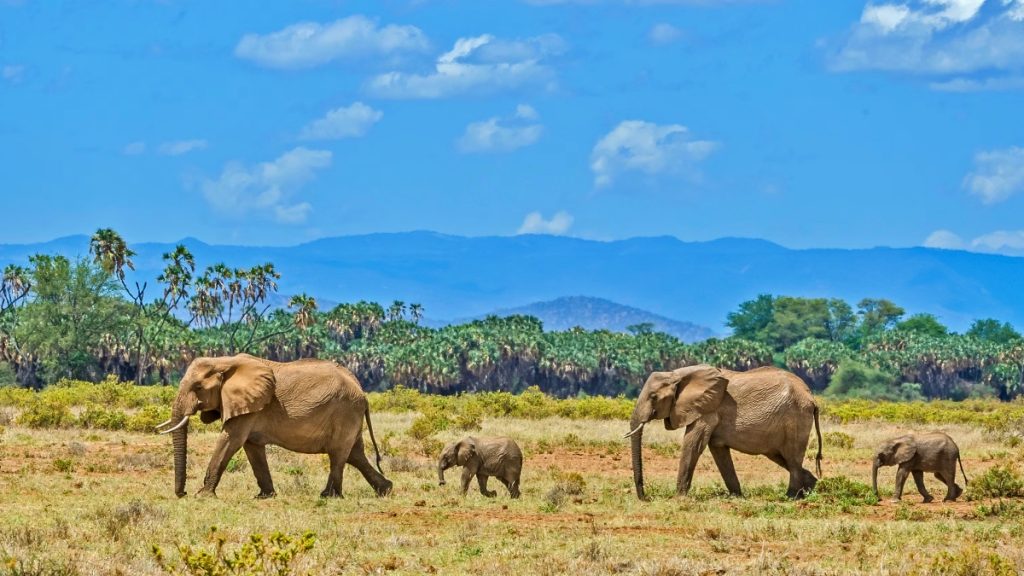
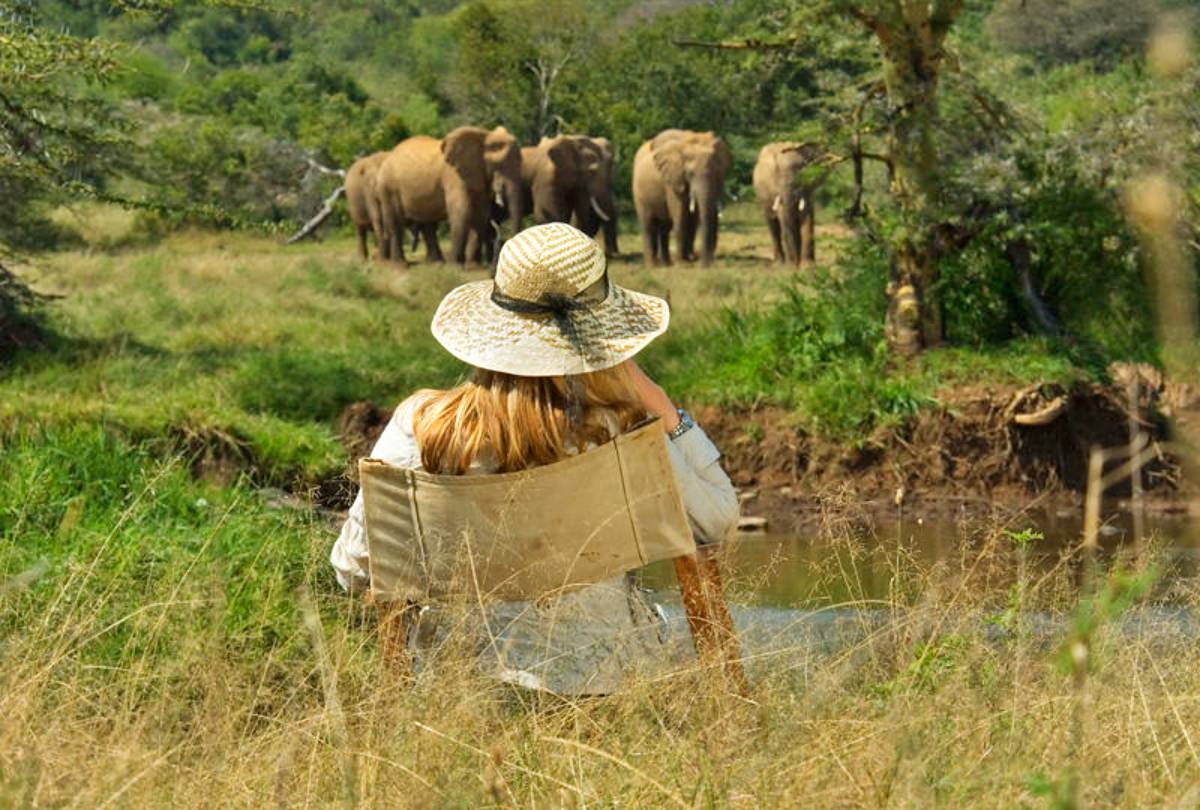
Amboseli is world-famous for two things: its large herds of elephants and the breathtaking views of Mount Kilimanjaro rising across the border in neighbouring Tanzania. The best game-viewing areas are in the southern part of the park — around the Olodoare Plains, Oltukai, Longinye Swamp, Observation Hill Swamp and Lake Kioko. You’ll easily spot elephants, wildebeest, zebras and gazelles, while lions, cheetahs and hyenas are also often seen. Bird lovers will enjoy the variety of waterbirds around the swamps.
Surprisingly, Amboseli offers no public campsites inside the park itself. The nearest option is the KWS Amboseli public camp, just 200 metres from the park headquarters. You can also stay in one of the KWS Bandas nearby.
When is the best time to visit Amboseli National Park?
Amboseli is a great year-round destination. There’s no animal migration to plan around, so you can visit whenever it fits your schedule. The wettest month is April, and short rains usually fall in November and December.
For a quieter experience, we recommend visiting during the shoulder seasons — outside the busy months of July to September and the Christmas holidays. Amboseli is Kenya’s second most visited park after the Masai Mara, so visiting a little off-peak means fewer vehicles and a more peaceful safari.
How do I get to Amboseli National Park?
Amboseli combines perfectly with a road trip that ends at the Indian Ocean coast. You can include it in our two-week safari and beach itinerary or the three-week Bush to Beach route, both of which connect Kenya’s parks with the coastline.
Roads to take and to avoid
If you’re driving from Nairobi, Google Maps will suggest two routes — but don’t trust it blindly. The route via Athi River–Namanga (C103) looks shorter but is in bad condition and can easily damage your car. Instead, take the Nairobi–Mombasa highway, turn off at Emali, and follow the smooth C102 to Kimana Gate. This route is fully paved, fast, scenic and the best way to enter the park.
2. Samburu | Off-the-beaten-track and rich in culture
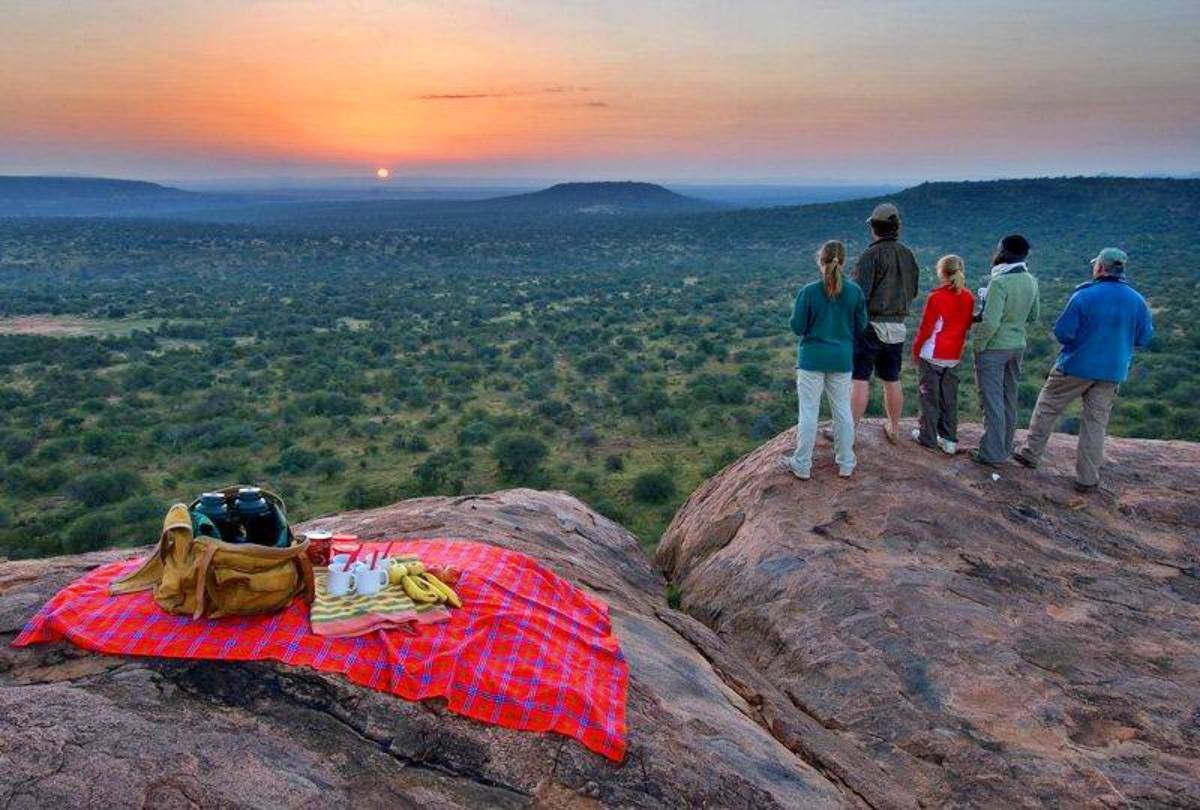
Dry plains, rocky hills and palm-lined riverbeds mark your arrival in Samburu; a wild, remote region that feels like a world of its own.
Samburu is the ancestral home of the Samburu people, a proud community that continues to live in harmony with the land. During your visit, you’ll not only experience amazing wildlife but also get a glimpse into their rich culture and traditions. The Ewaso Nyiro River runs through the reserve, bringing life to an otherwise arid landscape.
Although most travellers simply say “Samburu,” the area actually includes three reserves: Samburu, Buffalo Springs and Shaba. Each has its own character, and together they form one of the most rewarding regions to explore in northern Kenya.
Why Samburu is one of the best national parks in Kenya
Samburu is a paradise for those who love authentic, off-the-beaten-track travel. The dirt roads are rugged and adventurous, the scenery spectacular, and the atmosphere calm and uncrowded.
While you won’t find all of the Big Five here, Samburu is home to its own “Samburu Five”: the Grevy’s zebra, Somali ostrich, reticulated giraffe, gerenuk, and Beisa oryx — animals you won’t see in most other parks. The area is also known for its resident leopards, often spotted near the river in the early morning or late afternoon.
If you want to slow things down, there’s more to do than just game drives. You can hike Mount Ololokwe (1,754 m) for spectacular views, visit a community-run elephant orphanage, or spend time with local Samburu communities to learn about their way of life.
During one of our visits, we stopped at Umoja Women’s Village near Archer’s Post and were highly touched and impressed by the experience. Founded in 1990 by 15 courageous women who survived rape, Umoja now offers a haven for women escaping child marriage, female genital mutilation, domestic violence, and rape—all of which are still cultural norms among the Samburu. The small entrance fee helps them maintain their community.
When to visit Samburu?
Samburu can be visited year-round, but the best time for wildlife viewing is during the dry months from June to October and December to March.
The rainy season falls in April, May and November, when roads can get muddy and some areas harder to access — though the landscape is beautifully green.
How to get to Samburu?
Samburu is easily reached within a day’s drive from Nairobi, Nakuru, or Mount Meru via well-maintained tarmac roads.
3. Ol Pejeta National Park | A role model for conservation
Located between the Aberdares and Mount Kenya, Ol Pejeta Conservancy covers 90,000 acres of protected wilderness. It’s home to the Big Five and many other species, but what makes Ol Pejeta truly special is its strong focus on conservation.
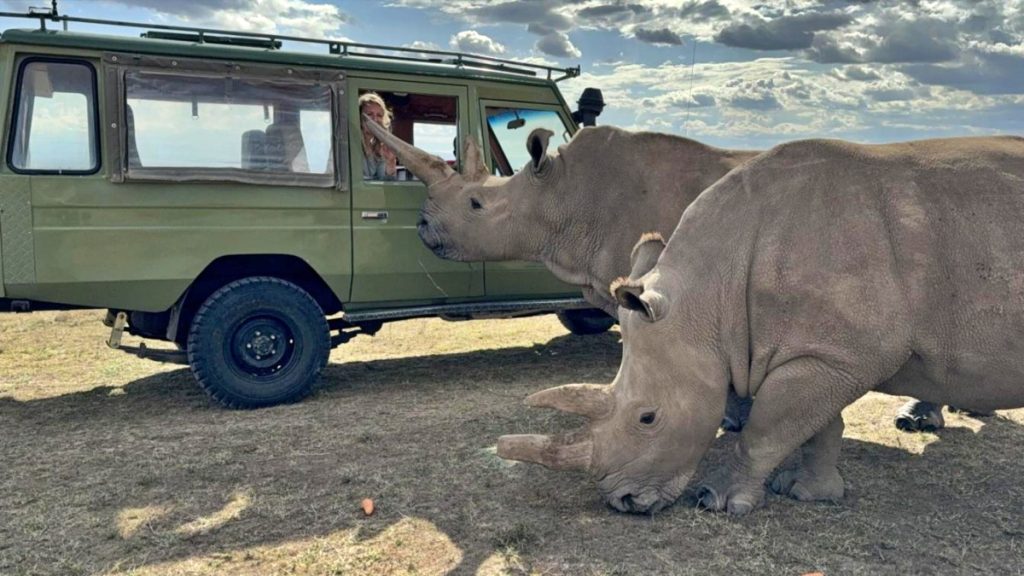
The conservancy is East Africa’s largest sanctuary for black rhinos and also shelters rescued chimpanzees — the only place in Kenya where you can see them. With one of the highest predator densities in the country, Ol Pejeta is a paradise for wildlife lovers.
Why Ol Pejeta is one of the best national parks in Kenya
Ol Pejeta is an ideal destination for a gentle self-drive safari. The roads are well-marked, easy to navigate and accessible all year round. The park is compact, so you can cover most of it in a day — but there’s plenty to keep you busy.
You can join a range of exciting conservation experiences at Ol Pejeta, such as lion tracking, night game drives, horse riding among rhinos, or jogging in the wild – making this a fun and also very family-friendly safari destination.
Camping in Ol Pejeta National Park
Camping here is a true wilderness experience. All campsites are private, so you’ll have the place to yourself, with nothing but the sounds of nature around you. Firewood is provided, but there are no other facilities, so come prepared.
Unlike some other parks, camping at Ol Pejeta must be booked in advance, as it can’t be arranged at the gate.
4. Hell’s Gate & Lake Naivasha | Mountainbiking among zebra’s
If you’re looking for a change of pace — and a safari spot that’s a little different — Lake Naivasha and Hell’s Gate National Park are great options. Located next to each other, these small parks are popular weekend getaways for Nairobi residents and a favourite stop on many self-drive itineraries.
Naivasha and Hell’s Gate are not your classic safari destinations, but they offer lots of charm, friendly locals and affordable accommodation. Perfect for travellers who like to mix nature with a bit of local life.
Why Hell’s Gate and Lake Naivasha are among the best national parks in Kenya
After days of game driving, Lake Naivasha is the perfect place to slow down. The shores are lined with yellow-barked acacia trees and beautiful forests filled with birdlife. Naivasha is one of the top birding spots in Kenya, home to fish eagles, kingfishers and herons.
If you still want to spot wildlife, walking or boat safaris are available, though we find they’re more relaxing than adventurous.
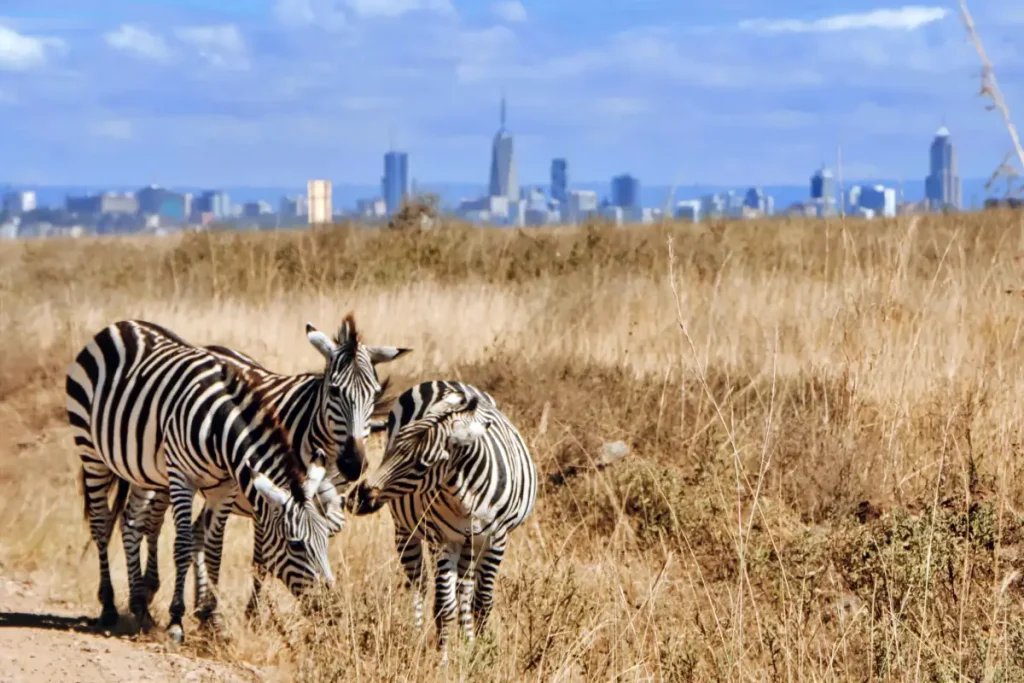
Just nearby, Hell’s Gate National Park offers something completely different. It’s one of the few parks in Kenya where you can cycle or walk among wildlife — imagine riding your mountain bike alongside zebras, gazelles and giraffes!
You can also hike through Hell’s Gate Gorge, famous for its red rocks, narrow canyons, and small waterfalls. Experienced climbers can test their skills on Fischer’s Tower, a free-standing volcanic rock that dominates the landscape.